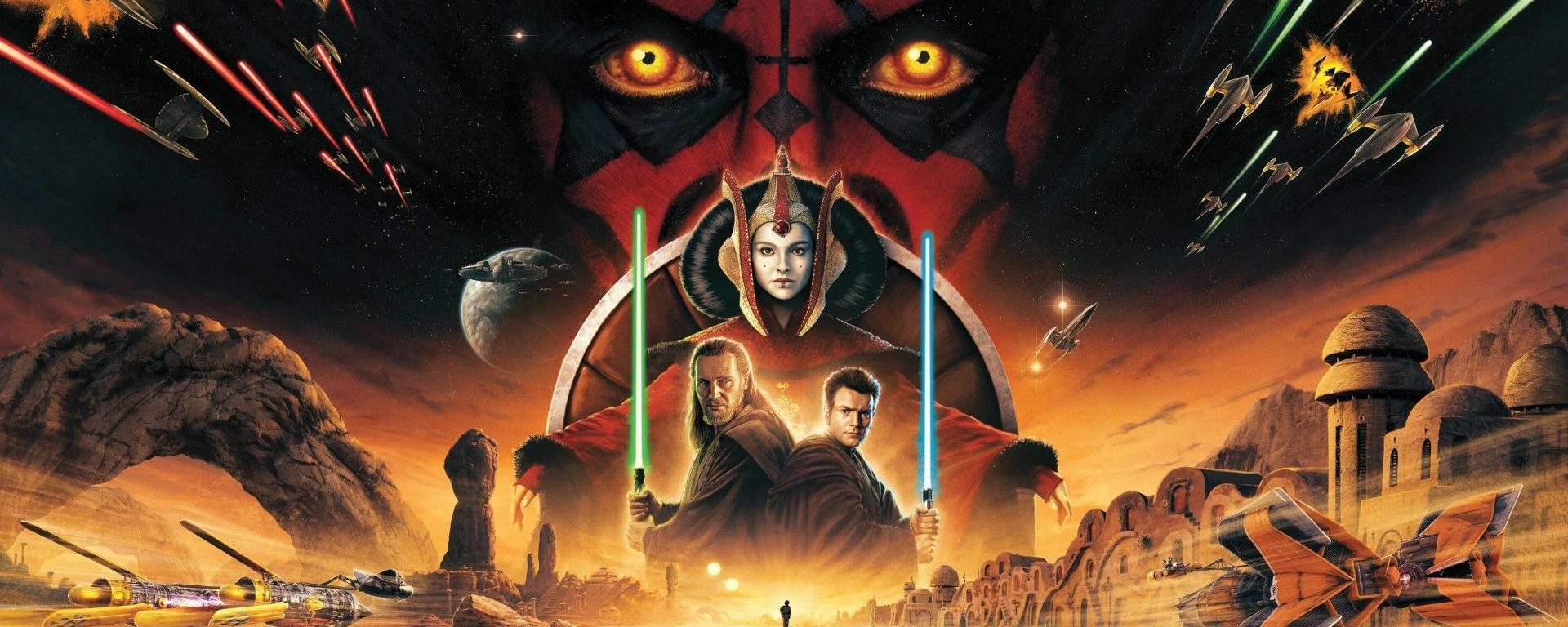
May 4th rolled around, and like many Star Wars fans, I decided to revisit the films of this iconic franchise. Juggling work and life, I only managed to watch Episodes I and III (Episode III deserves its own late retro review, by the way).
Going to film school had an interesting effect on me. I was a bit scared to revisit my favorite movies, afraid that my filmmaker mindset would ruin them. That’s why I stayed away from the classic and prequel trilogies for a while, watching only the newer Star Wars content. But it was about time to look back.
Understanding the complexity of the film industry and its intersection with technology, I can say this with confidence: whether you get it or not, like it or not, Star Wars is one of the most—if not the most—important film franchises ever made. George Lucas may not be regarded as a great director by some, but he’s undeniably a visionary who pushed for deep and essential changes in how films are made. He is, without question, one of the greatest filmmakers of all time. I’d even argue that cinema as we know it wouldn’t exist without him. Just watch the fantastic Light&Magic documentary series on Disney+ and you’ll get a sense of what I mean.
Before jumping into the movie, I need to make a personal disclaimer: The Phantom Menace was the first movie I ever saw in a theater. My dad, just as his dad did, took me to experience a galaxy far, far away. I also vividly remember watching the VHS tape with him and my uncle. That nostalgia is something to consider in any retrospective review. And just so you know: I’m a defender of the cinematic experience. I care less about scrutinizing acting and dialogue, and more about if it entertains you or not. If it moves you, makes you feel something or gets you thinking—even better.
All of that was running through my head as I set up the projector in my room and hit play. STAR WARS lit up the screen and John Williams’ iconic score started. It has been a long time.
The First Act
The first act kicks off strong. I can only imagine the excitement of seeing Obi-Wan again for those who only knew the original trilogy. The film does a great job showcasing the Jedi’s power and setting up a complex political plot.
I’ve never had a problem with Jar Jar’s goofiness. The Gungan city scenes felt faster than I remembered, though the travel from there to the palace dragged a bit. That said, it establishes an important theme: there’s always a bigger fish—always a bigger threat. It also gives Jar Jar some backstory and drops a line about the Force being a guide. Oh, and Qui-Gon is just great.

Things pick up again with the escape from Naboo, R2-D2’s introduction, and our return to Tatooine. Imagine watching this after only knowing the original trilogy—seeing R2 again, going back to Tatooine—and then being introduced to Anakin Skywalker: a kind, generous boy who helps complete strangers. A few lines about the force here and there and C3PO, nice!
A few thoughts.
I think Darth Sidious is introduced too quickly. It would’ve been more interesting to let Maul act as his shadowy hand, like Vader was. The scene where Maul speaks with Sidious could have been the first time we see him, making Sidious feel more like a puppet master working in the dark.
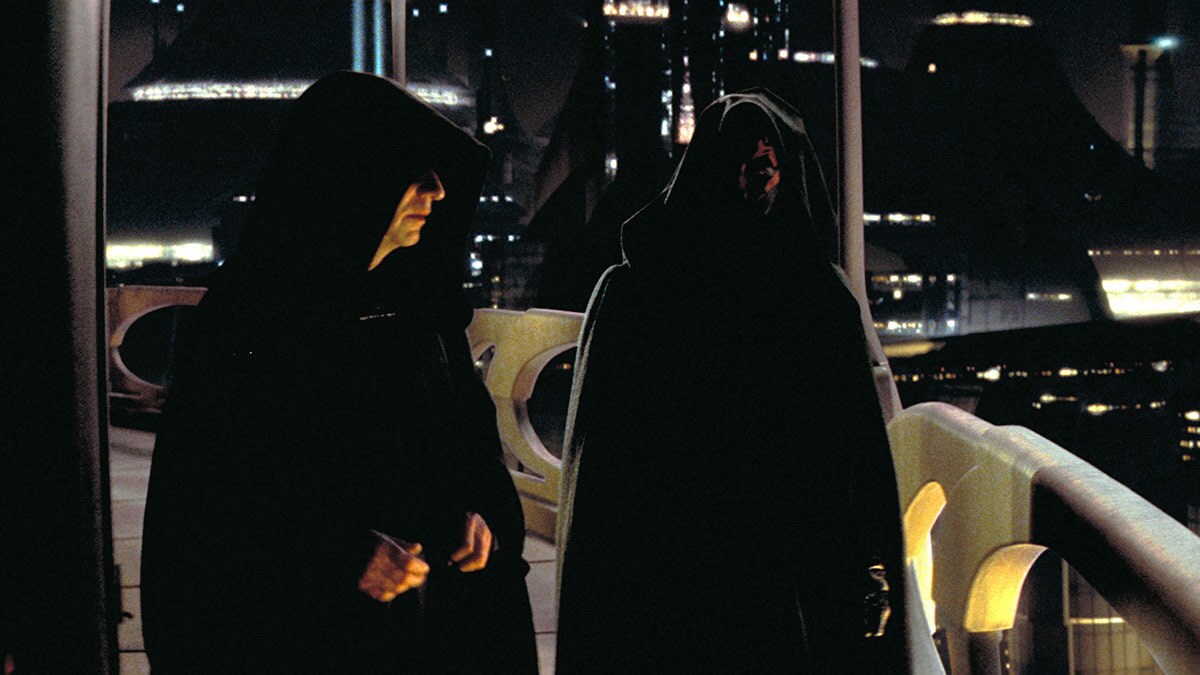
I’m also okay with the midichlorian concept. It’s not that complicated, but here, it doesn’t have a visible impact. We understand that Anakin is special, even miraculously conceived. That ties into the prophecy we learn more about later. There is also an important message in this act: the Republic isn’t perfect—just like the Empire. In the Outer Rim, there’s poverty, lawlessness, and no support from the Republic. Anakin is a slave! Tatooine’s dry desert becomes a metaphor for scarcity and hopelessness.
Podracing and the Force
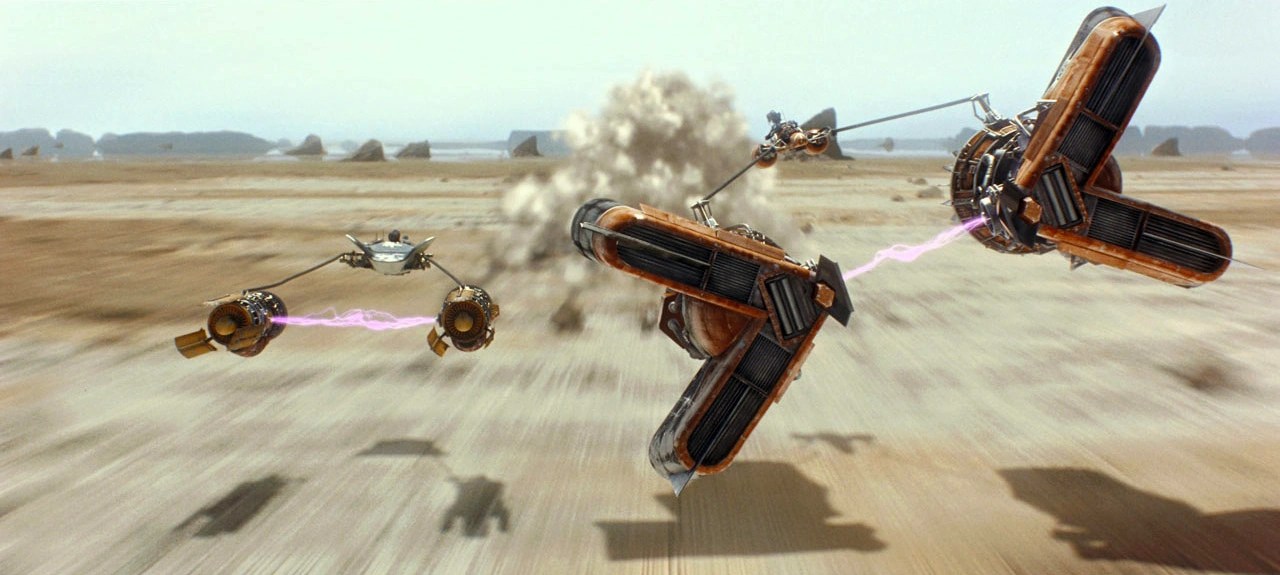
Then comes the podrace—how did Anakin build his podracer? He stole the parts from Watto’s shop, we assume, right? And isn’t the force guiding us? Qui-Gon are you using the force to cheat? Race! This whole sequence is one of the film’s highlights. It still holds up. Visual effects, cgi, ILM really did a fantastic job. But here is a missed opportunity: we don’t see how the Force really helps Anakin here. He’s supposed to “see things before they happen,” but it’s never truly shown.
I’ll borrow a great idea from the folks at the In Review podcast: when Anakin’s podracer engine disconnects, imagine if he raised his hand, the voice of Qui-Gon echoed, “Use the Force, let it flow,”. The force music theme comes up and he reconnected the engine using the force. What a powerful moment that would’ve been. A great way to show his potential.
Politics and the Jedi
Race ends. And The boy is free. Anakin will leave his mom behind and that establishes an internal conflict for the boy. He wants to go on an adventure, but part of him wants to stay with his mom. Then we get our first confrontation with Maul, a teaser of what’s to come.
In the second act, we dive into politics. Senator Palpatine whispers about the Republic’s failure, calling for a new, stronger Chancellor. Imagine the fans’ excitement at seeing Palpatine again! (It’s worth noting: his name is never said in the original trilogy, only in the novelizations.)
We get callbacks to Antilles, Alderaan, and the Jedi —at its peak… or so we thought. They’re full of arrogance and reluctant to accept Anakin. Qui-Gon, however, goes will train the boy against the council decision. Yoda is there. And they are still not convinced it was a Lord Sith. The’ve been extinct.
The Final Battle
The final act is set. Queen Amidala reveals she’s been in disguise, and her plan to ally with the Gungans is bold and strategic. The plan: the Gungans fight the droid army; the Queen, Jedi, and her allies take the palace and capture the Viceroy (he’s really a mere pawn in Sidious’ grand scheme).
The doors opens and you hear the Brass, 4 epic notes from Williams Score. It’s Duel of the Fates time. What a great shot of Darth Maul standing there. Tension rises. He looks evil, his design screams darkness. The best lightsaber duel in Star Wars history. We get three intercut battles—echoes of Return of the Jedi—space combat, a palace siege, and a personal duel. The stakes are high, the fighters are outnumbered, Maul is very powerful and the Queen seems to have failed. The future of Naboo is uncertain.
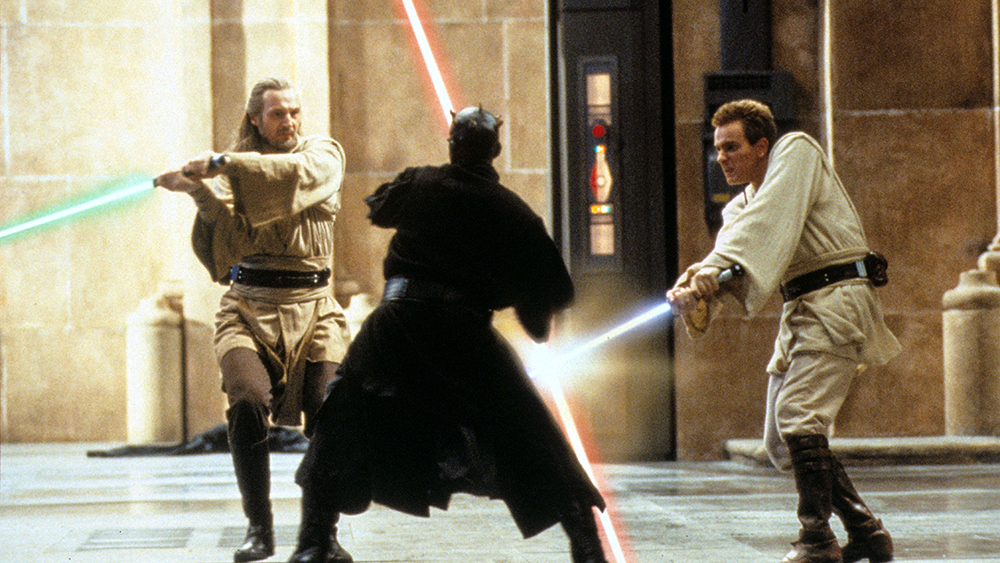
Anakin blows up a ship from the inside. Amidala signs the treaty. And a tragic finale. Qui-Gon dies. We’re confronted with death. Yes, a Jedi can die, they’re not all powerful. Does Anakin still believes a Jedi can’t die?
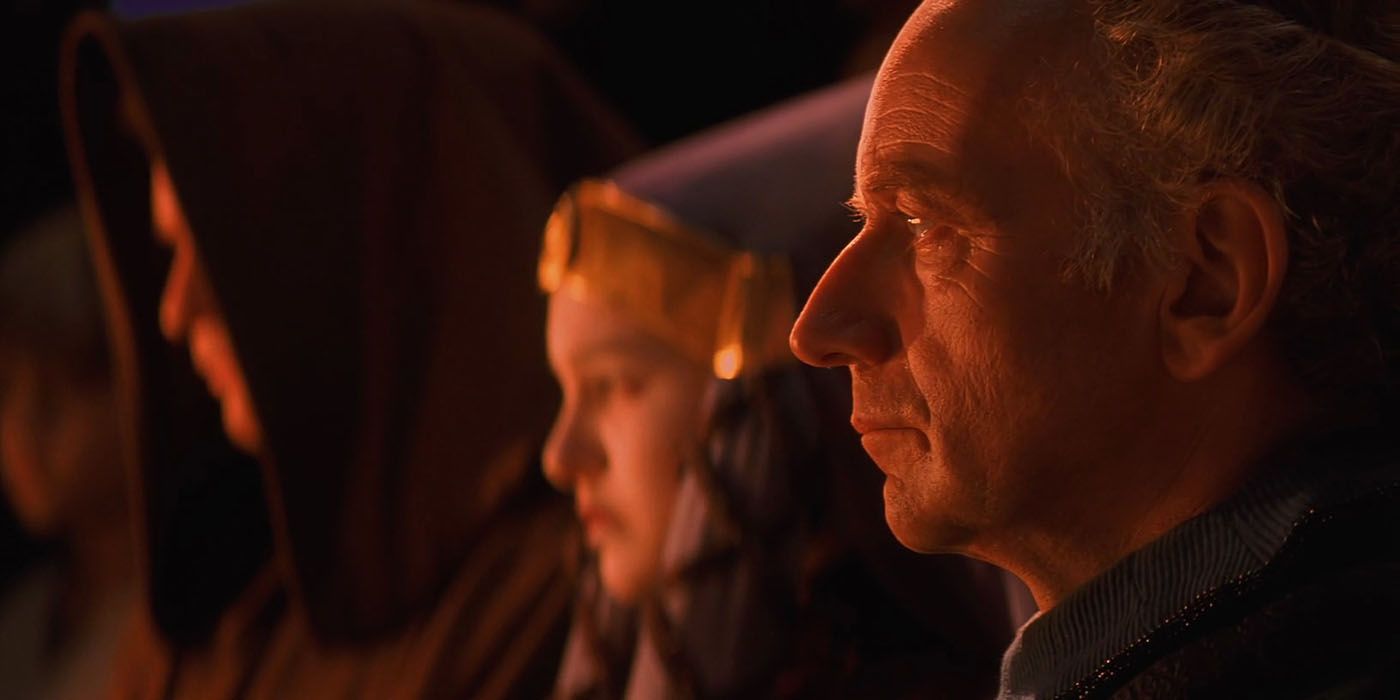
We mourn Qui-Gon. Palpatine becomes chancellor. Yoda and Obi-Wan discuss Anakin’s future, he will be trained, but there’s danger. And we have the take the gives it all. A close of Palpatine, ”Always two there are, no more, no less. A master and an apprentice,”. Celebration of the victory just like episode IV. Credits roll.
Final Thoughts
Wow. What an adventure. Yes, there are hiccups. Yes, it could be better. But bad? No way. A lot of politics, but not as boring as I remember. If I don’t understand one thing, it’s why Lucas was so hesitant to show Anakin using the Force. That could’ve made the Jedi Council’s skepticism even more layered.
Lucas’ signature themes—political structures, systemic failure, democracies failing, repression and the search for power—are all here. But so is hope. Hope lives in the galaxy’s farthest corners.
Watching The Phantom Menace again after all this time was just as fun as I remembered. It set up so much, paid homage to the originals. A fairy tale with princesses and knights. Maybe I like The Phantom Menace too much. Maybe I just like Star Wars too much. Either way, what an introduction to a galaxy far, far away.
 Pipoca Crítica
Um comentário sobre “Looking Back at The Phantom Menace”